"I Think You Should Leave" Santa Came Early refers to a sketch from the Netflix comedy series "I Think You Should Leave with Tim Robinson" in which a character named Santa Claus visits a family's home on Christmas Eve and delivers their presents early.
The sketch has become popular due to its absurd and unexpected humor, and the phrase "Santa came early" has been used as a way to describe something that happens sooner than expected or in an unexpected way. The sketch has also been referenced in popular culture, including in memes and other comedy shows.
The sketch's popularity is likely due to its relatable and humorous premise. Many people can relate to the feeling of excitement and anticipation leading up to Christmas, and the sketch plays on this feeling by delivering a unexpected and absurd twist. The sketch also features a number of memorable characters, including Santa Claus, who is played by Tim Robinson in a deadpan and understated manner.
I Think You Should Leave
The sketch "Santa Came Early" from the Netflix comedy series "I Think You Should Leave with Tim Robinson" has become a popular internet meme due to its absurd and unexpected humor. The sketch features a number of key aspects that contribute to its comedic effect:
- Unexpected: The sketch subverts expectations by having Santa Claus visit a family's home on Christmas Eve and deliver their presents early.
- Absurd: The sketch features a number of absurd elements, such as Santa Claus wearing a bathrobe and slippers, and the family's reaction to his early arrival.
- Relatable: The sketch taps into the relatable feeling of excitement and anticipation leading up to Christmas.
- Deadpan: Tim Robinson's deadpan delivery of the sketch adds to its comedic effect.
- Memorable: The sketch features a number of memorable characters and moments, such as Santa Claus's awkward conversation with the family.
- quotable: The sketch has spawned a number of quotable lines, such as "Santa came early" and "I'm not supposed to be here." popular culture.
- Parody: The sketch parodies the traditional Christmas story in a humorous way.
- Character: Tim Robinson's characterization of Santa Claus is both hilarious and unsettling.
- Cultural impact: The sketch has had a significant impact on popular culture, inspiring memes, and references in other comedy shows.
These key aspects work together to create a sketch that is both funny and thought-provoking. The sketch's unexpected and absurd humor appeals to a wide range of viewers, and its relatable and quotable elements make it a memorable and shareable piece of comedy.
Unexpected
The unexpected nature of the sketch is one of the key elements that contributes to its comedic effect. Audiences expect Santa Claus to visit on Christmas Eve and deliver presents, but the sketch subverts this expectation by having him arrive early. This unexpected twist creates a sense of surprise and absurdity that is humorous.
- Deviation from Norm: The sketch deviates from the traditional story of Santa Claus by having him visit early. This deviation from the norm creates a sense of surprise and unexpectedness.
- Absurdity: The idea of Santa Claus visiting early is absurd and unexpected. This absurdity adds to the comedic effect of the sketch.
- Relatability: The sketch taps into the relatable feeling of excitement and anticipation leading up to Christmas. This relatability makes the sketch more humorous and engaging.
- Surprise: The unexpected arrival of Santa Claus creates a sense of surprise and delight for the audience.
These facets of unexpectedness work together to create a sketch that is both funny and thought-provoking. The unexpected twist keeps the audience engaged and guessing, and the relatable elements make the sketch more humorous and appealing.
Absurd
The absurdity of the sketch "I Think You Should Leave: Santa Came Early" is a key element that contributes to its comedic effect. The sketch features a number of absurd elements, such as:
- Santa Claus wearing a bathrobe and slippers: This is an unexpected and absurd image that subverts the traditional depiction of Santa Claus as a jolly old man in a red suit.
- The family's reaction to Santa Claus's early arrival: The family is understandably confused and surprised by Santa Claus's early arrival. Their reactions are exaggerated and over-the-top, adding to the absurdity of the sketch.
These absurd elements create a sense of surprise and delight for the audience. The audience is not sure what to expect from the sketch, and this uncertainty adds to the comedic effect. The absurdity of the sketch also allows the audience to let go of their expectations and simply enjoy the humor of the situation.
The absurdity of "I Think You Should Leave: Santa Came Early" is a key element that contributes to its success. The sketch's unexpected and absurd elements create a sense of surprise and delight for the audience, and this makes the sketch both funny and memorable.
Relatable
The sketch "I Think You Should Leave: Santa Came Early" taps into the relatable feeling of excitement and anticipation leading up to Christmas. This relatability is a key element that contributes to the sketch's comedic effect. The audience can relate to the feeling of excitement and anticipation that the family in the sketch is experiencing. This relatability makes the sketch more humorous and engaging.
The sketch also subverts the traditional depiction of Santa Claus as a jolly old man in a red suit. This unexpected twist creates a sense of surprise and absurdity that is humorous. However, the sketch also retains the relatable elements of the traditional Santa Claus story, such as the excitement and anticipation of his arrival.
The combination of relatability and absurdity is what makes "I Think You Should Leave: Santa Came Early" so successful. The sketch is both funny and heartwarming, and it appeals to a wide range of audiences. The sketch's relatability makes it accessible to everyone, while its absurdity keeps the audience engaged and guessing.
The sketch's relatability also has a practical significance. It can help us to understand and appreciate the different ways that people experience the holiday season. The sketch can also help us to see the humor in the often stressful and chaotic lead-up to Christmas.
Deadpan
Tim Robinson's deadpan delivery of the sketch "I Think You Should Leave: Santa Came Early" is a key element that contributes to its comedic effect. Deadpan delivery is a style of acting that involves delivering lines in a monotone, expressionless manner. This style of delivery can be used to create a sense of irony or absurdity, and it can also be used to emphasize the humor in a situation.
- Contrast and Exaggeration: Robinson's deadpan delivery contrasts with the absurdity of the sketch, creating a sense of irony and humor. The monotone delivery emphasizes the ridiculousness of the situation, making it even more humorous.
- Emphasis on Absurdity: The deadpan delivery draws attention to the absurdity of the sketch, making it even more humorous. The monotone delivery highlights the ridiculousness of Santa Claus visiting early and wearing a bathrobe and slippers.
- Relatability: Despite the absurdity of the sketch, Robinson's deadpan delivery makes it relatable. The monotone delivery conveys a sense of resignation and acceptance, which can be relatable to audiences who have experienced the stress and chaos of the holiday season.
- Audience Connection: Robinson's deadpan delivery helps to create a connection with the audience. The monotone delivery allows the audience to interpret the sketch in their own way, which can lead to a more personal and meaningful experience.
Tim Robinson's deadpan delivery of the sketch "I Think You Should Leave: Santa Came Early" is a key element that contributes to its comedic effect. The deadpan delivery creates a sense of irony and absurdity, emphasizes the humor in the situation, and makes the sketch more relatable to audiences.
Memorable
The sketch "I Think You Should Leave: Santa Came Early" is memorable due to its unique and absurd characters and moments, such as Santa Claus's awkward conversation with the family. These elements contribute to the sketch's overall comedic effect and make it stand out from other holiday-themed sketches.
One of the most memorable aspects of the sketch is Santa Claus himself, played by Tim Robinson. Robinson's portrayal of Santa Claus is both hilarious and unsettling, as he delivers his lines in a deadpan manner and wears a bathrobe and slippers. This unexpected take on the traditional Santa Claus character creates a sense of absurdity that is both humorous and memorable.
Another memorable moment in the sketch is Santa Claus's awkward conversation with the family. The family is understandably confused and surprised by Santa Claus's early arrival, and their reactions are exaggerated and over-the-top. This awkward conversation creates a sense of cringe comedy that is both funny and relatable.
The combination of memorable characters and moments makes "I Think You Should Leave: Santa Came Early" a sketch that is both funny and memorable. These elements contribute to the sketch's overall comedic effect and make it a holiday classic.quotable
The sketch "I Think You Should Leave: Santa Came Early" has become a popular source of quotable lines such as "Santa came early" and "I'm not supposed to be here." These lines have been widely used in popular culture, including in memes, social media posts, and even other television shows. The quotability of the sketch is a testament to its comedic brilliance and cultural impact.
There are several reasons why the sketch's lines are so quotable. First, they are simple and easy to remember. Second, they are funny and relatable. Third, they can be used in a variety of contexts. For example, the line "Santa came early" can be used to describe a situation in which something unexpected and pleasant happens. The line "I'm not supposed to be here" can be used to express a sense of discomfort or awkwardness.
The quotability of "I Think You Should Leave: Santa Came Early" has helped to make the sketch a cultural phenomenon. The sketch's lines have been used in a variety of ways, from memes to merchandise. The sketch has also been referenced in other television shows and movies. The quotability of the sketch is a testament to its comedic brilliance and cultural impact.The quotability of "I Think You Should Leave: Santa Came Early" is also significant because it demonstrates the power of comedy to create memorable moments. The sketch's lines are funny and relatable, and they have resonated with audiences. The quotability of the sketch is a testament to the power of comedy to bring people together and create shared experiences.
Parody
In the Netflix sketch "I Think You Should Leave: Santa Came Early," the traditional Christmas story is humorously parodied by presenting an unexpected and absurd twist on the familiar narrative. This parody serves as a comedic commentary on the conventions and expectations surrounding the holiday.
- Subversion of Expectations: The sketch subverts the audience's expectations by having Santa Claus visit a family on Christmas Eve and deliver their presents early, an unconventional deviation from the traditional storyline.
- Exaggeration and Absurdity: The sketch exaggerates and distorts certain elements of the Christmas story for comedic effect, such as Santa Claus wearing a bathrobe and slippers instead of his iconic red suit. This absurdity creates a humorous contrast to the traditional depiction of Santa.
- Irony and Satire: The sketch employs irony and satire to comment on the commercialization and materialism often associated with Christmas. The family's excessive reactions to Santa's early arrival and their focus on material possessions highlight the satirical intent.
- Cultural Commentary: Through its parody, the sketch provides a humorous commentary on societal norms and behaviors surrounding Christmas. It playfully examines the ways in which the holiday can be a source of both joy and stress, and encourages viewers to reflect on their own experiences and expectations.
In conclusion, the parody in "I Think You Should Leave: Santa Came Early" serves as a humorous and thought-provoking exploration of the traditional Christmas story. Through its subversion of expectations, exaggeration, irony, and cultural commentary, the sketch invites viewers to question and re-examine their own perceptions and experiences of the holiday season.
Character
Tim Robinson's portrayal of Santa Claus in the Netflix sketch "I Think You Should Leave: Santa Came Early" is a key element that contributes to the sketch's comedic success. Robinson's characterization is both hilarious and unsettling, creating a unique and memorable interpretation of the iconic holiday figure.
The humor in Robinson's portrayal stems from his deadpan delivery and unexpected actions. He delivers his lines in a monotone voice, creating a sense of awkwardness and discomfort. Additionally, his Santa Claus is far from the jolly, rosy-cheeked figure we are accustomed to. Instead, he is dressed in a bathrobe and slippers, and his appearance is disheveled and unkempt. This unexpected portrayal creates a humorous contrast to the traditional image of Santa Claus.
However, Robinson's Santa Claus is also unsettling. His deadpan delivery and awkward demeanor create a sense of unease. Additionally, his actions are often unpredictable and bizarre. For example, he arrives at the family's home unannounced and proceeds to eat their food and drink their eggnog. This unexpected and unsettling behavior creates a sense of tension and suspense, making the sketch even more humorous.
The combination of humor and unease in Robinson's portrayal of Santa Claus is what makes the sketch so successful. His characterization is both funny and unsettling, creating a unique and memorable interpretation of the iconic holiday figure. This characterization is a key element that contributes to the sketch's comedic success.
Cultural impact
The Netflix sketch "I Think You Should Leave: Santa Came Early" has had a significant cultural impact, inspiring memes, and references in other comedy shows. This is due in part to the sketch's unique and absurd humor, which has resonated with audiences.
The sketch's popularity can be attributed to several factors. First, the sketch is simply funny. The combination of Tim Robinson's deadpan delivery and the sketch's unexpected premise creates a humorous experience that is both unique and memorable. Second, the sketch is relatable. Many people can relate to the feeling of excitement and anticipation leading up to Christmas. The sketch taps into this feeling and uses it to create a humorous and heartwarming story.
The cultural impact of "I Think You Should Leave: Santa Came Early" is significant. The sketch has been referenced in other comedy shows, including "Saturday Night Live" and "The Tonight Show Starring Jimmy Fallon." The sketch has also inspired a number of memes, which have been shared widely on social media. This cultural impact is a testament to the sketch's comedic brilliance and its ability to resonate with audiences.
The cultural impact of "I Think You Should Leave: Santa Came Early" is also significant because it demonstrates the power of comedy to create memorable moments. The sketch's humor and relatability have made it a cultural phenomenon. The sketch is a reminder that comedy can be both funny and meaningful, and that it can have a lasting impact on popular culture.
Frequently Asked Questions about "I Think You Should Leave
This section addresses commonly asked questions and misconceptions surrounding the popular Netflix sketch "I Think You Should Leave: Santa Came Early."
Question 1: What is the premise of the sketch?
The sketch follows an unexpected visit from Santa Claus to a suburban family on Christmas Eve, leading to a series of awkward and humorous interactions.
Question 2: Who plays Santa Claus in the sketch?
Santa Claus is played by Tim Robinson, the creator and star of "I Think You Should Leave with Tim Robinson."
Question 3: Why is the sketch so popular?
The sketch's popularity stems from its unique blend of absurdity, deadpan humor, and relatable holiday themes.
Question 4: Has the sketch had any cultural impact?
Yes, the sketch has gained significant cultural relevance, inspiring memes, references in other comedy shows, and even merchandise.
Question 5: What is the significance of the sketch's deadpan humor?
The deadpan delivery of the actors, particularly Tim Robinson as Santa Claus, enhances the sketch's absurdity and creates a sense of ironic detachment.
Question 6: What are the main themes explored in the sketch?
The sketch delves into themes of holiday expectations, familial relationships, and the discomfort of unexpected social interactions.
In conclusion, "I Think You Should Leave: Santa Came Early" is a critically acclaimed sketch notable for its unique comedic style, cultural impact, and exploration of various themes. Its popularity continues to grow, solidifying its place in contemporary comedy.
Transition to the next article section
Tips Inspired by "I Think You Should Leave
The popular Netflix sketch, "I Think You Should Leave: Santa Came Early," offers valuable insights and comedic observations that can be applied to real-life scenarios, particularly during the holiday season.
Tip 1: Embrace the Unexpected:
Just like Santa's early arrival in the sketch, life often throws unexpected curveballs. Embrace these moments with a sense of humor and adaptability. Unexpected events can lead to new opportunities and memorable experiences.
Tip 2: Practice Patience and Understanding:
The family's initial reactions to Santa's early visit showcase the importance of patience and understanding. When faced with unexpected or awkward situations, take time to process emotions and respond with empathy.
Tip 3: Find Humor in the Mundane:
The sketch highlights the absurdity of everyday occurrences. Learn to find humor in the mundane aspects of life, such as awkward conversations or minor mishaps. This perspective can lighten the mood and reduce stress.
Tip 4: Set Realistic Expectations:
The family's disappointment stems from their unrealistic expectations about Santa's visit. Setting realistic expectations can prevent unnecessary stress and allow for a more enjoyable holiday experience.
Tip 5: Focus on the Meaningful Connections:
Amidst the holiday hustle and bustle, remember to prioritize meaningful connections with loved ones. The sketch serves as a reminder that the true spirit of the holidays lies in shared moments and experiences.
Summary:
By incorporating these tips inspired by "I Think You Should Leave: Santa Came Early," individuals can approach the holiday season and life in general with a greater sense of humor, resilience, and appreciation for the unexpected.
Conclusion
The exploration of "I Think You Should Leave: Santa Came Early" unveils a comedic masterpiece that transcends mere entertainment. Its unique blend of absurdity, deadpan humor, and relatable themes offers valuable insights into the human experience, particularly during the holiday season.
The sketch prompts us to embrace the unexpected, practice patience and understanding, and find humor in the mundane. It reminds us to set realistic expectations and focus on the meaningful connections that make the holidays truly special. By incorporating these lessons into our lives, we can navigate the complexities of the season with greater resilience, humor, and appreciation.
Unveiling The Secrets Of Taylor Swift's Standing Room Only
Unveiling The Truth: Gold Coast Clear Carts Lab Test Insights
Uncover The Truth: Jackie Love's OnlyFans Leak Exposed

I Think You Should Leave Santa Poster Digital Prints Art & Collectibles
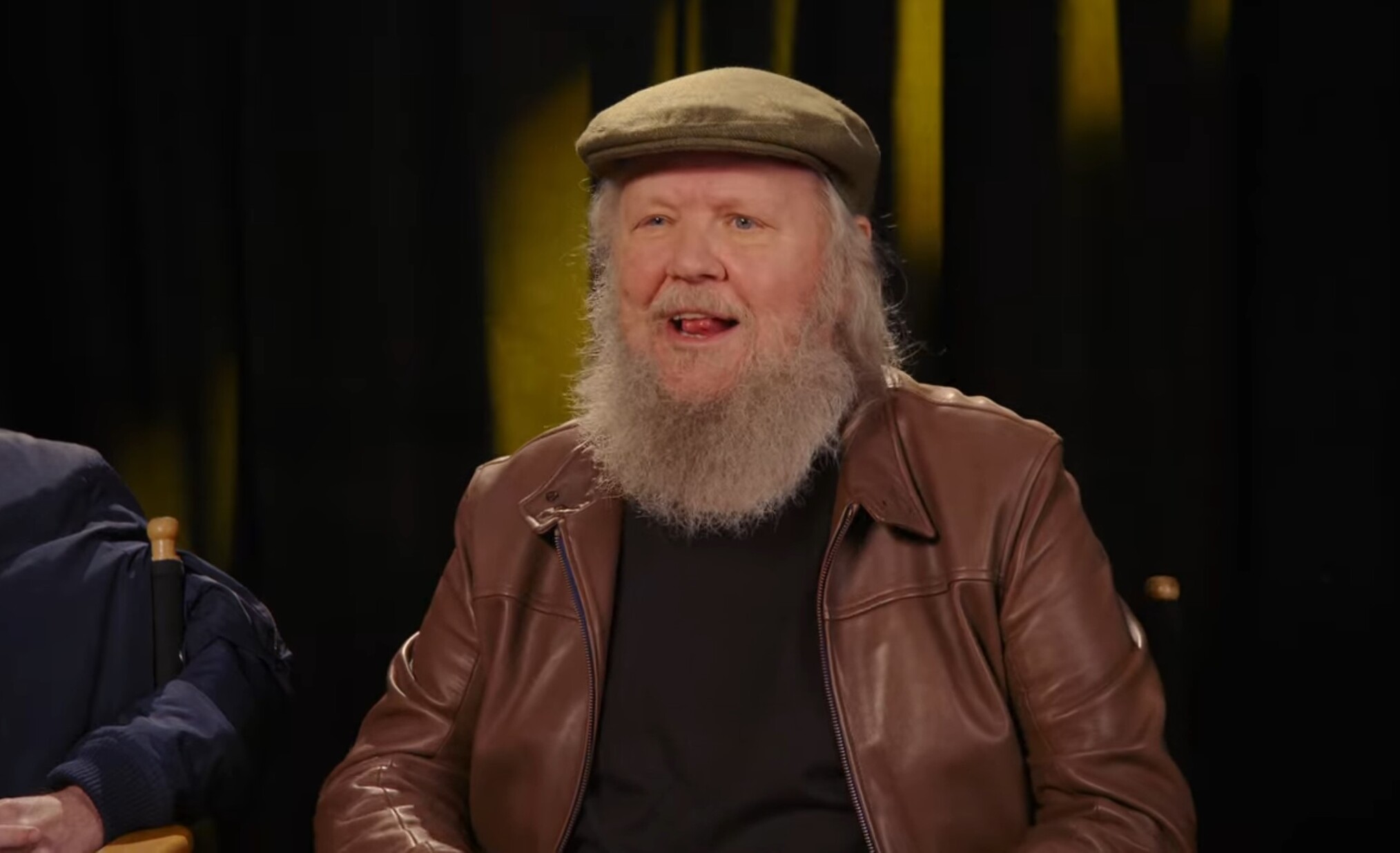
The 6 Best Moments of 'I Think You Should Leave With Tim Robinson
ncG1vNJzZmirmJ6%2For%2FAZ5imq2NjsaqzyK2YpaeTmq6vv8%2Bamp6rXpi8rnvIZquhoZ6gerq71GaqoaelobFuuMSarZ5lo5a7ta2MnJimnV2arrO42GefraWc